Bunny Digital Papers: Graphics and Patterns
As a digital product creator who has spent years navigating the fluctuating tides of online marketplaces, I approach every new graphic design asset with a mix of curiosity and caution. We are not just looking for pretty pictures; we are looking for tools that convert browsers into buyers. Recently, I integrated Bunny Digital Papers into my workflow to evaluate its potential for a spring-themed collection. This review breaks down the practical application of these assets for Etsy sellers, print-on-demand entrepreneurs, and creative professionals looking to expand their inventory.
First Impressions and Niche Appeal
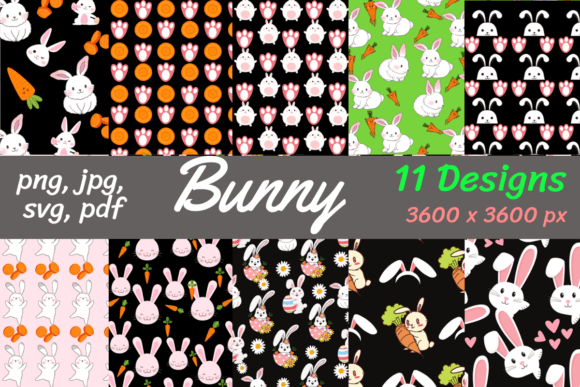
The immediate visual impact of Bunny Digital Papers is one of gentle whimsy. The patterns are designed specifically for a rabbit bunny lover, striking a balance between playful charm and commercial viability. Unlike some novelty graphics that feel too juvenile for broad appeal, these designs possess a softness that works well for nursery decor, feminine stationery, and seasonal home goods. The aesthetic leans towards a handmade, decorative feel, which is currently trending in the digital download space.
For sellers on platforms like Creative Fabrica or Etsy, understanding the mood of your assets is crucial. These patterns evoke a sense of comfort and joy. They are not bold or aggressive; rather, they are inviting. This makes them ideal for targeting audiences interested in baby showers, Easter celebrations, or anyone who appreciates cottage-core aesthetics. The visual personality is consistent, ensuring that when you build a design bundle, the items feel cohesive rather than disjointed.
Versatility Across Product Types
The true value of any digital product lies in its versatility. Bunny Digital Papers includes svg, png, pdf, jpg, and png transparent files, offering a robust toolkit for various creation methods. Here is how I tested these formats across different product categories:
- Sublimation and Print-on-Demand: The high-resolution JPG and PNG files are perfect for sublimation design projects. I applied the patterns to virtual mockups of t-shirts, mugs, and tote bags. The repeating nature of the patterns ensures there are no awkward gaps in the print area, which is a common pitfall with lesser-quality assets.
- Cricut and Silhouette Projects: For crafters, the SVG files are essential. While these are primarily pattern papers, the clean vector lines allow for precise cutting if you isolate specific elements for sticker design or layered paper crafts. However, always test cut a small sample to ensure the complexity of the pattern does not overwhelm the blade.
- Printable Wall Art and Stationery: The PDF and high-res JPGs are suitable for printable design outputs. I used them as backgrounds for greeting cards and invitation templates. The subtle texture adds depth without overpowering the text, maintaining good visual hierarchy.
- Canva Templates: If you sell editable templates, these patterns serve as excellent background layers. They add perceived value to simple layouts, making your Canva template listings stand out in a crowded creative marketplace.
Enhancing Product Presentation
In the world of online selling, your thumbnail is your storefront. Using Bunny Digital Papers in your product mockups can significantly boost click-through potential. When I prepared listing images for a seasonal bundle, I used these patterns as backdrop elements in my product mockup scenes. This created a cohesive brand identity and helped tell a visual story about the lifestyle associated with the product.
Consistency is key for small business branding. By using a unified set of patterns across your social media graphics, packaging design, and actual products, you build trust with your audience. Customers perceive a shop with consistent visuals as more professional and reliable. These assets help maintain that consistency without requiring you to hire a graphic designer for every single post.
Strategic Placement and Cautionary Notes
While these assets are versatile, they are not a one-size-fits-all solution. Knowing where to use them—and where to avoid them—is part of being a successful seller.
Where they work best:
- Large surface areas like poster prints and tumbler wraps where the pattern can repeat naturally.
- Themed bundles for Easter or spring, where the rabbit motif is expected and desired.
- Digital paper packs sold directly to other crafters for scrapbooking kits.
- Social media promos where a soft, inviting background helps highlight promotional text.
Where to use caution:
- Tiny Sticker Details: If you shrink these patterns down for small sticker designs, the details may become muddy. Always zoom in to 100% to check clarity before finalizing your print file.
- Text-Heavy Templates: Because these are patterns, they can compete with text. Ensure you use solid color overlays or reduce the opacity of the pattern when placing it behind important information in your invitations or flyers.
- Dark Backgrounds: Some of the lighter bunny patterns may lose contrast on dark merchandise. Always test your PNG transparent files against both white and black backgrounds to ensure visibility.
Practical Seller Notes for Implementation
Before you upload your next listing, take a moment to conduct a quality assurance check. Test the design on real mockups, not just digital composites, if possible. Verify the PNG transparency to ensure there are no white halos around the edges if you are isolating elements. For those using the SVG files for Cricut projects, inspect the cut quality in your software to simplify paths if necessary.
Typography pairing is another critical consideration. These Rabbit Bunny patterns pair beautifully with handwritten font styles for a personal touch, or clean sans serif font choices for a modern look. Avoid overly ornate display fonts that might clash with the intricate details of the illustration. Remember, the goal is to complement the asset, not compete with it.
Finally, always confirm the commercial license terms. While Bunny Digital Papers is designed for commercial use, allowing you to create physical products like T-shirts, mugs, bags, and posters for sale, it is vital to understand the boundaries. Typically, you cannot resell the digital files themselves as standalone items. Use them to create value-added products, such as a finished Etsy product or a unique print-on-demand item.
In conclusion, Bunny Digital Papers is a solid addition to any digital seller’s library. It offers the flexibility needed for diverse product creation while maintaining a strong niche appeal. By testing these assets thoroughly and integrating them strategically into your brand identity, you can enhance your product offerings and connect more deeply with your target audience.