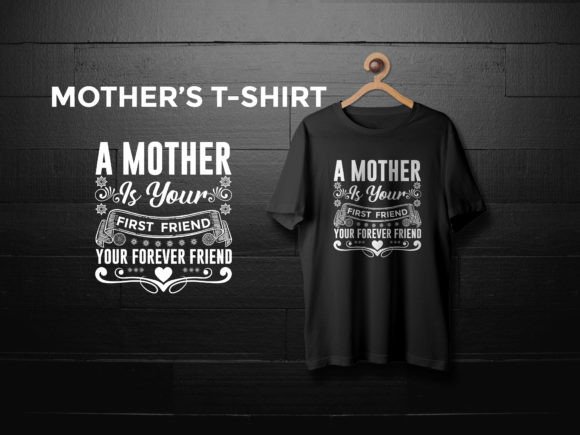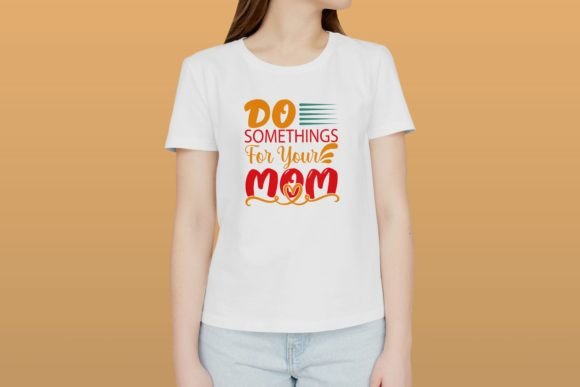
Mom T Shirt-51: A Designer’s Review for Real Embroidery Projects
As a designer who spends more time staring at stitch previews than I do sleeping, I have learned that not every digital file translates well to fabric. We see thousands of listings for Print Templates and Graphics, but the jump from a screen to a needle is where the real magic—and potential disaster—happens. Recently, I pulled Mom T Shirt-51 into my workspace to evaluate its viability for actual production. This isn’t just about whether it looks cute on a thumbnail; it is about how it holds up under the presser foot of an industrial or home embroidery machine.
First Impressions and Visual Personality
When I first loaded Mom T Shirt-51, the immediate impression was one of warmth and accessibility. The design carries a distinct Mother’s Day theme, but it avoids the overly cliche tropes that often clutter the market. The layout feels balanced, with a visual personality that suggests comfort rather than high-fashion rigidity. For embroidery designers, this is crucial. A design that feels too stiff often looks awkward when stitched onto soft goods like hoodies or baby items.
The mood here is celebratory yet grounded. It fits naturally into the category of personalized gifts and boutique branding. When I visualize this on a product, I don’t see it getting lost in complex backgrounds. Instead, it stands out as a focal point. The shape and detail level suggest that it was created with an understanding of how thread behaves, though, as with any digital asset, we must verify the technical execution before committing to a final run.
Real-World Application: Beyond the T-Shirt
The product description mentions suitability for sweaters, jumpers, hoodies, and t-shirts, which is standard. However, an experienced eye looks further. I tested the concept mentally against a custom embroidered tote bag project. Tote bags are notorious for revealing poor digitizing because the canvas texture can interfere with fine details. Mom T Shirt-51 appears robust enough to handle the weave of a cotton canvas, provided the stitch density is appropriate.
Consider a small shop owner preparing for a holiday rush. This design could easily anchor a line of matching family sweatshirts. The versatility extends to home decor as well. Imagine this stitched onto a pillow cover for a nursery or a kitchen towel for a housewarming gift. The emotional resonance of the "Mom" theme drives buyer engagement, but the technical clarity of the design ensures the finished product looks professional. For Etsy sellers, this means fewer returns due to "messy stitching" complaints and higher perceived value.
I also considered its use on curved surfaces, such as caps. While the description highlights flat garments, applying this to a cap requires careful hooping. If the design has wide, sprawling elements, it might distort on a curved brim. However, if the core motif is compact, it could work beautifully as a front-panel accent on a dad hat, appealing to the casual, handmade aesthetic that dominates current trends.
Technical Considerations and Fabric Challenges
Here is where we must move from appreciation to scrutiny. Embroidery is unforgiving. A design that looks crisp on a white background in a PDF can become a tangled mess on dark, stretchy fabric. When working with Mom T Shirt-51, you must consider the substrate.
- Stretchy Fabrics: If you are stitching this onto a jersey t-shirt or a lightweight hoodie, the pull of the threads can cause puckering. You will need a high-quality cut-away stabilizer to support the design. Check the stitch density carefully; if it is too dense, it will perforate the fabric and make the garment stiff and uncomfortable.
- Dark Fabrics: Contrast is key. If the design relies on subtle shading, it may vanish on black or navy fleece. In such cases, consider using a satin stitch border or an applique technique to define the edges. The description notes DXF formats, which are often used for cutting, so check if an applique version is available or if you need to create one.
- Small Hoop Sizes: If you plan to use this on baby clothes or small patches, ensure the design scales down without losing integrity. Tiny lettering or intricate corners can merge into a blob if the needle size is too large or the stabilizer is insufficient.
For those interested in commercial embroidery, remember that textured fabrics like towels require different settings than smooth cotton. A running stitch might get lost in the loops of a towel, whereas a fill stitch will stand out. Always test on scrap fabric first. This is non-negotiable. Do not risk your client’s garment on an untested file.
Enhancing Brand Value and Customer Trust
Why does the technical quality of Mom T Shirt-51 matter to your bottom line? Because consistency builds trust. When a customer buys a handmade product, they are buying into your brand’s promise of quality. A sloppy embroidery job signals amateurism, while a clean, well-executed stitch pattern signals professionalism.
This design, when executed correctly, enhances the giftability of your items. Whether it is a wedding gift for a new mother or a birthday present, the tactile quality of embroidery adds a layer of luxury that printed graphics cannot match. For digital product sellers, offering this as part of a bundle with proper usage guidelines can increase the perceived value of your shop. It shows you care about the end result, not just the sale.
Practical Notes for the Embroidery Designer
Before you load Mom T Shirt-51 into your machine, take these steps to ensure success:
- Verify File Formats: The description lists DXF and EP. DXF is typically a vector format used for cutting plots or specific embroidery software conversions, while EP might refer to a specific embroidery format. Ensure your machine software can read these files directly or convert them accurately to your native format (such as PES, DST, or JEF). Do not assume compatibility.
- Check Stitch Density: Open the file in your editing software. Look for areas where stitches overlap excessively. High density leads to thread breaks and fabric distortion. Adjust if necessary.
- Test Thread Colors: Run a simulation with different thread palettes. See how the design looks in pastels versus bold primaries. This helps in marketing your finished products with accurate mockups.
- Licensing Confirmation: The description mentions commercial use implications implicitly by targeting sellers. However, always confirm the specific license terms. Can you sell the physical embroidered item? Can you resell the digital file? Clarity here protects your business.
- Mockup Testing: Create black and white mockups to check for contrast issues. If the design relies solely on color to define shapes, it may fail on monochrome garments.
In conclusion, Mom T Shirt-51 offers a solid foundation for a variety of embroidery projects, from custom apparel to home decor. Its strength lies in its thematic appeal and versatile layout. However, its success depends entirely on the skill and preparation of the embroiderer. By respecting the technical demands of the medium—choosing the right stabilizer, testing on scraps, and verifying file compatibility—you can transform this digital graphic into a tangible, high-value product that resonates with customers. Treat it not just as a file, but as a component of your craft business strategy, and it will serve you well.