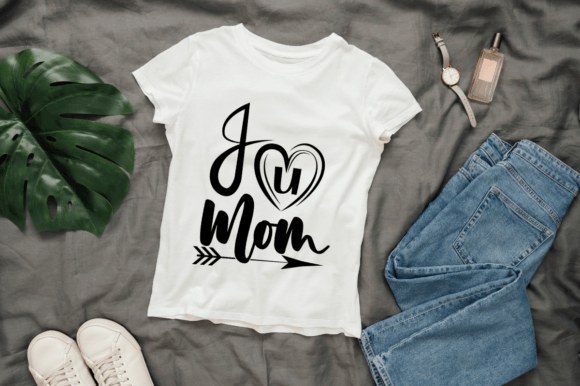
Reviewing the I Love You Mom Mother’s Day Design
As a designer who has spent countless hours staring at digitized files and watching needles punch through fabric, I have learned that not every graphic translates well into thread. When I first pulled up the I LOVE YOU MOM - Mother s Day Design, my initial reaction was one of cautious optimism. The sentiment is timeless, but in the world of machine embroidery, execution is everything. This isn’t just about having a cute phrase; it is about whether the design holds up under the mechanical stress of stitching and meets the aesthetic expectations of a discerning customer.
I recently had a client request a last-minute batch of personalized gifts for a boutique spring collection. They needed something versatile that could work on both apparel and home goods. I decided to put this design to the test, evaluating it not just as a digital image, but as a tangible embroidery project that would eventually become a handmade product in someone’s home.
First Impressions and Visual Personality
The layout of the I LOVE YOU MOM - Mother s Day Design strikes a balance between boldness and sentimentality. It does not rely on overly intricate flourishes that might get lost in translation. Instead, it focuses on clear legibility and emotional impact. For an Etsy seller or a small shop product creator, this clarity is crucial. Customers scrolling through online listings need to understand the message instantly.
The visual personality feels warm and inviting, which aligns perfectly with the holiday embroidery theme. However, from a technical standpoint, I immediately looked at the potential stitch types. While the description mentions it can be printed on various items, as an embroiderer, I am thinking about satin stitches versus fill stitches. Bold lettering often requires dense satin columns, which can pull on lightweight fabrics if not properly stabilized. The design’s structure suggests it would perform best when treated as a high-impact focal point rather than a subtle background element.
Real-World Application: The Sweatshirt Test
To truly gauge the viability of this machine embroidery design, I staged a real-life scenario. I chose a mid-weight cotton blend sweatshirt, a popular item for custom apparel. The goal was to create a piece that felt premium, not like a promotional giveaway.
Stitching out the design on the chest area revealed its strengths. The lines remained crisp, and the spacing between letters allowed the fabric texture to breathe. This is vital for sweatshirt embroidery, where the pile of the fabric can sometimes obscure fine details. The result was a clean, professional finish that elevated the garment. It did not look like an afterthought; it looked like an intentional design asset integrated into the clothing.
I also considered how this would look on a tote bag design. Canvas is forgiving and provides a stable base for heavier stitch densities. The I LOVE YOU MOM - Mother s Day Design would stand out beautifully against natural or dyed canvas, making it an excellent choice for personalized gift items that need to withstand daily use. The durability of the thread, combined with the robust nature of the design, ensures longevity.
Navigating Fabric Challenges and Limitations
While the design is versatile, it is not without its constraints. I would advise caution when applying this to thin or stretchy fabrics. For instance, using this on a lightweight rayon tee or a silky blouse requires meticulous attention to stabilizer choice. Without proper cut-away or tear-away support, the tension from the stitches could cause puckering, ruining the finished product.
Additionally, consider the hoop size. If you are working with smaller hoops for baby embroidery projects, such as onesies or bibs, you must ensure the design scales down without losing legibility. Tiny lettering can become a blob of thread if the scale is too small. I recommend testing the design on scrap fabric first, specifically checking how the smallest elements render. If the details merge, you may need to simplify the file or choose a larger application area, such as a back panel instead of a sleeve.
Dark fabrics present another challenge. If you are stitching white or pastel threads on black navy material, the contrast is high, which is good for visibility but can highlight any minor imperfections in stitch density. Always review your thread colors against the fabric background. A test run in black and white mockups can help visualize the contrast before committing expensive thread to the project.
Commercial Viability and Brand Consistency
For craft business owners, the commercial appeal of this design lies in its emotional resonance. Mother’s Day is a peak sales period, and customers are looking for items that convey love and appreciation. This design fits seamlessly into that narrative. However, professionalism is key. A sloppy stitch-out can damage brand trust. By ensuring high-quality production, you enhance the perceived value of your commercial embroidery offerings.
When creating printable mockup images for your online store, show the design on multiple products. Display it on a pillow cover, a mug (if using sublimation alongside embroidery), and a hoodie. This helps buyers visualize the versatility of the graphics. Remember, while the product description lists many printable items, embroidery has physical limits. Stick to fabrics and surfaces that can handle needle penetration.
Practical Notes for the Embroiderer
Before you begin your next embroidery project, keep these practical tips in mind:
- Check Licensing: Confirm whether the digital embroidery file allows for commercial use. Never assume; always read the terms provided by the creator.
- Test Stitch Density: High density can make garments stiff. Adjust settings if necessary to maintain fabric drape.
- Inspect Small Details: Zoom in on the digital file. Are there tiny jump stitches or complex corners that might cause thread breaks?
- Fabric Texture Matters: Textured fabrics like terry cloth may hide fine lines. Choose bolder applications for these materials.
- Curved Surfaces: If applying to caps or curved hats, ensure the design is centered correctly and uses appropriate stabilizers to prevent distortion.
In conclusion, the I LOVE YOU MOM - Mother s Day Design is a strong contender for your spring inventory. It offers emotional appeal and visual clarity, provided you respect the technical requirements of machine embroidery. By treating it with the care it deserves—checking hoop sizes, selecting the right stabilizer, and testing on scrap fabric—you can create stunning T-Shirt Designs and home goods that customers will cherish. It is a reliable tool for the experienced maker who values both aesthetics and craftsmanship.