Plant Mom Sublimation: A Designer’s Practical Review
As an embroidery designer who spends hours digitizing and testing files for real-world application, I approach every new asset with a critical eye. We are not just looking at pretty pictures; we are evaluating how a design translates from screen to thread, how it holds up under the needle, and whether it adds genuine value to a finished product. Today, I am taking a close look at Plant Mom Sublimation. This is not your typical vector-based cut file or a pre-digitized embroidery file. It is a high-resolution PNG graphic intended for sublimation printing, which changes the workflow entirely but opens up unique creative avenues for hybrid projects.
First Impressions and Visual Personality
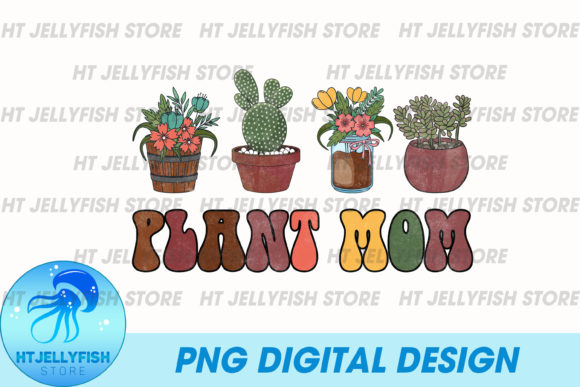
The first thing that strikes me about Plant Mom Sublimation is its organic, relaxed aesthetic. The layout feels intentional yet effortless, capturing the specific mood of modern botanical enthusiasts. The visual personality is warm and inviting, avoiding the stiff, clip-art feel that plagues many generic graphics. For those of us in the craft business, this distinction matters. Customers can spot a lazy design from a mile away. This graphic, however, has a hand-drawn quality that suggests care and authenticity.
When I visualize this on a product, I do not see it as a standalone embroidered element in the traditional sense. Instead, I see it as the centerpiece of a mixed-media project. The detail level is high enough to look crisp when printed, but because it is a raster image (PNG), it relies on print resolution rather than stitch definition. This means the "embroidery" aspect comes into play when you pair this sublimation print with actual stitching. Think of it as a canvas for your needlework.
Real-World Application: The Hybrid Tote Bag
To test the viability of Plant Mom Sublimation, I imagined a specific real-life scenario: creating a premium, custom tote bag for a local plant shop. The goal was to produce a handmade product that felt boutique-quality without requiring hours of dense machine embroidery, which can be costly and time-consuming.
The process would involve sublimating this PNG onto a polyester-coated canvas or a specific sublimation-friendly fabric panel. Once the print is heat-pressed and cooled, the embroidery begins. I would use a simple satin stitch or running stitch to outline key leaves or add a personalized name beneath the main graphic. This approach leverages the detailed artwork of the Print Templates category while adding the tactile luxury of thread. The result is a tote bag design that looks professionally manufactured yet retains the charm of a personalized gift. For an Etsy seller, this hybrid method allows for higher perceived value with lower production time compared to full-coverage embroidery.
Navigating Limitations and Material Choices
It is crucial to address what this product is not. As the description clearly states, this is a PNG file only. There are no cutting files included, meaning it is NOT suitable for cutting with Cricut or Silhouette Cutting Machines. Furthermore, it is not a digital embroidery file that you can load directly into your machine to stitch out. This distinction is vital for hobbyists and makers who might confuse sublimation graphics with applique designs or standard machine embroidery designs.
Because this is a sublimation graphic, fabric choice is paramount. Sublimation only works effectively on synthetic fibers, primarily polyester, or polyester blends with a high synthetic content. You cannot sublimate this onto 100% cotton and expect vibrant results. If you are planning to use this on a sweatshirt embroidery project, ensure the garment has a sufficient polyester coating or use sublimation-specific blanks. For natural fiber lovers, this design might require a transfer paper workaround, which changes the hand-feel and durability of the finished product.
Additionally, consider the background. Sublimation prints best on white or very light-colored fabrics. If you attempt to use Plant Mom Sublimation on dark fabric, the colors will not pop, and the design may disappear. This limits its use for certain holiday embroidery themes that traditionally rely on deep reds or blacks, unless you are using a white substrate as a base layer.
Enhancing Visual Appeal and Brand Consistency
From a branding perspective, incorporating Graphics like this into your product line can help establish a cohesive aesthetic. If your small shop product line focuses on nature, wellness, or home decor, this design fits seamlessly. It enhances visual appeal by providing a complex, colorful focal point that would be difficult and expensive to replicate purely with thread.
For commercial embroidery projects where speed is essential, using a sublimated base allows you to offer intricate visuals without worrying about stitch density issues or thread breaks. It builds customer trust because the final image is sharp and clear, free from the potential distortion that can happen with large, dense embroidery fills on stretchy fabrics. When customers receive a product where the print is crisp and the accompanying stitching is neat, it reinforces the professionalism of your brand.
Practical Designer Notes for Best Results
Before committing to a full production run, I always recommend a few practical steps. First, test the design on scrap fabric. Check the color vibrancy and ensure your heat press settings are optimized for your specific material. Since this is a PNG, inspect the edges for any pixelation if you plan to scale it up significantly. While sublimation handles gradients well, extreme enlargement can reveal the limits of the original resolution.
If you plan to add embroidery over the sublimated image, choose your thread colors carefully. You want contrast, not competition. A simple monochromatic thread, such as a dark green or charcoal, can anchor the design without overwhelming the printed details. Also, confirm licensing terms before selling finished items. While many shops allow commercial use of finished physical products, you must verify if the license covers mass production or if there are restrictions on digital resale. Remember, you cannot resell the PNG file itself as a design asset.
Finally, consider the end-use. If this is for a baby embroidery item or a kitchen towel that will undergo frequent washing, ensure the sublimation process is done correctly to prevent fading. Proper curing time and temperature are essential for longevity. By treating this graphic as a foundational element rather than a standalone solution, you unlock its true potential in your creative entrepreneurship journey.