Reviewing Living That Mom Life for Embroidery
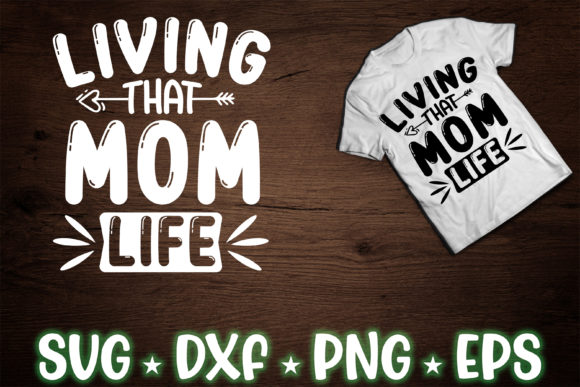
As a designer who spends half my life digitizing and the other half staring at hoop marks on fabric, I approach every new machine embroidery design with a mix of curiosity and skepticism. We have all seen those trendy phrases that look fantastic on a screen but turn into a tangled mess of thread breaks and puckering once they hit the needle. Recently, I took a close look at Living That Mom Life, a popular graphic asset often marketed for sublimation and print, to evaluate its potential for real-world stitching projects. While the product description lists it as part of Print Templates and Graphics including SVG, EPS, DXF, and PNG files, the question remains: does this design translate well to thread?
First Impressions and Visual Mood
The phrase "Living That Mom Life" carries an immediate emotional weight. It is relatable, slightly humorous, and deeply personal. Visually, these designs often rely on bold, hand-lettered typography or playful script combinations. When I first pulled up the vector files to inspect the paths, I was looking for clean lines and balanced spacing. The mood here is casual and authentic, which means the embroidery execution needs to feel organic rather than rigid. A overly dense fill stitch approach would kill the vibe, making the text look heavy and industrial. Instead, this design calls for a lighter touch, perhaps utilizing a combination of satin stitch for emphasis words and a clean running stitch or thin satin for the supporting text.
For small business owners and Etsy sellers, the appeal lies in the versatility. This isn’t just a holiday item; it is an everyday lifestyle statement. It fits naturally into the category of custom apparel that mothers actually want to wear, rather than something that sits in the back of the closet. The visual personality suggests warmth and resilience, making it a strong candidate for personalized gift markets, especially around Mother’s Day, birthdays, or just because.
Real-World Application: The Tote Bag Test
To truly understand how Living That Mom Life performs, I imagined a specific scenario: a custom canvas tote bag design for a local boutique. Canvas is forgiving, but it has a distinct fabric texture that can swallow fine details. If I were stitching this onto a heavy-duty tote, I would need to ensure the lettering was thick enough to stand out against the weave. Using a high-quality polyester thread with a slight sheen would add a touch of professionalism, elevating the handmade product from a craft fair item to a boutique-ready accessory.
In this context, the design serves as more than just decoration; it becomes a brand identifier. For craft business owners, consistency is key. If you are building a line of mom-centric goods, having a reliable, legible design like this allows you to create a cohesive collection. You could pair it with simple floral motifs or minimalistic icons, ensuring the text remains the hero. The result is a finished product that feels intentional and high-value, encouraging customer trust and repeat buys.
Navigating Technical Challenges
However, not every surface is as forgiving as canvas. When considering sweatshirt embroidery or fleece jackets, we run into the issue of pile. Thick fabrics can obscure smaller details. If the original graphic includes tiny serifs or intricate swashes, they may get lost in the fuzz. In such cases, I would advise simplifying the design or increasing the stitch density slightly to ensure clarity. Always test on scrap fabric first. What looks crisp on a monitor might look muddy on a textured knit.
Another critical consideration is the hoop size. Many of these phrase-based designs are wide. If you are working with a standard 4x4 or 5x7 hoop, you might need to split the design or choose a version that fits within your machine’s limits. For larger items like pillow covers or wall hangings, this is less of an issue, but for caps or embroidered patch creations, space is premium. Curved surfaces like hats require careful stabilization to prevent distortion. A poorly stabilized cap can make even the best design look warped and amateurish.
Additionally, consider the background. Stitching light thread on dark fabric requires careful planning. You might need an underlay or a backing layer to prevent the dark fabric from showing through the stitches. Conversely, dark thread on light fabric highlights every imperfection in the tension. Testing your thread colors against various backgrounds is essential before committing to a client order.
Commercial Viability and Licensing
For digital embroidery file users and commercial embroiderers, licensing is paramount. The product description mentions SVG, EPS, DXF, and PNG files. These are primarily vector and raster image formats, not native embroidery machine formats like PES or DST. This means you will likely need to digitize the design yourself or use auto-digitizing software, which rarely produces professional results for text-heavy designs. If you are not a digitizer, you must factor in the time and skill required to convert these design assets into a stitchable format.
Before selling any small shop product featuring this phrase, confirm the license terms. Just because you bought the graphic does not always mean you have the right to sell physical items made with it, especially if the font used is proprietary. Always check the creator’s terms for commercial embroidery usage. Transparency with your customers about the handmade nature of the item builds loyalty. A well-executed baby embroidery piece or a stylish apron can become a signature item for your brand if the quality is consistent.
Final Verdict for Makers
Living That Mom Life is a strong contender for makers who understand the nuances of translating print graphics to thread. It offers high emotional resonance and broad appeal across various holiday embroidery and everyday categories. However, its success depends entirely on your technical execution. Pay attention to stabilizer choices, test your applique design boundaries if adding elements, and never skip the test stitch.
Whether you are creating a printable mockup for your online store or stitching a real tea towel for a gift, treat this design with respect. It is not just a file; it is a representation of your craftsmanship. By focusing on clarity, contrast, and quality materials, you can turn this graphic into a standout embroidery project that resonates with buyers and stands the test of time. Remember, the best designs are those that look as good in hand as they do on screen.